How Many Snake Species Are Endemic to the Philippines?
The Philippines has 28 endemic snake species, out of 66 recorded in the Snakédex sighting database. Endemic means found nowhere else on Earth. The most-recorded is the highly venomous Northern Philippine Cobra (Naja philippinensis), with 3,180 sightings, mostly in Pangasinan, Nueva Ecija and Cavite. At the other end, the Batanes Pit Viper (Trimeresurus mcgregori) and the Philippine Coral Snake (Calliophis philippina) each appear only once. Endemic species include cobras, ratsnakes, bronzebacks, coral snakes and pit vipers, spread across Luzon, the Visayas, Mindanao and Palawan.
What "endemic" means for a Philippine snake
A species counts as endemic when it occurs naturally only within the Philippines and nowhere else. It did not arrive by boat or cargo. It evolved here, usually on one island group or even one mountain range, cut off from relatives elsewhere by water that has separated these islands for a very long time.
That isolation is why the Philippines has such an unusual snake list. Species that would be one continuous population on a mainland get split into island forms here, some barely distinguishable from their neighbors, some sharply different.
How many of the 66 recorded species are found nowhere else
Snakédex's sighting database currently holds 66 snake species. Of those, 28 are endemic to the Philippines. That is not a museum tally or a formal biodiversity survey, it is a count of species that verified community sightings have actually turned up, which is a reasonable proxy for what people are likely to encounter but not a complete inventory of Philippine snakes.
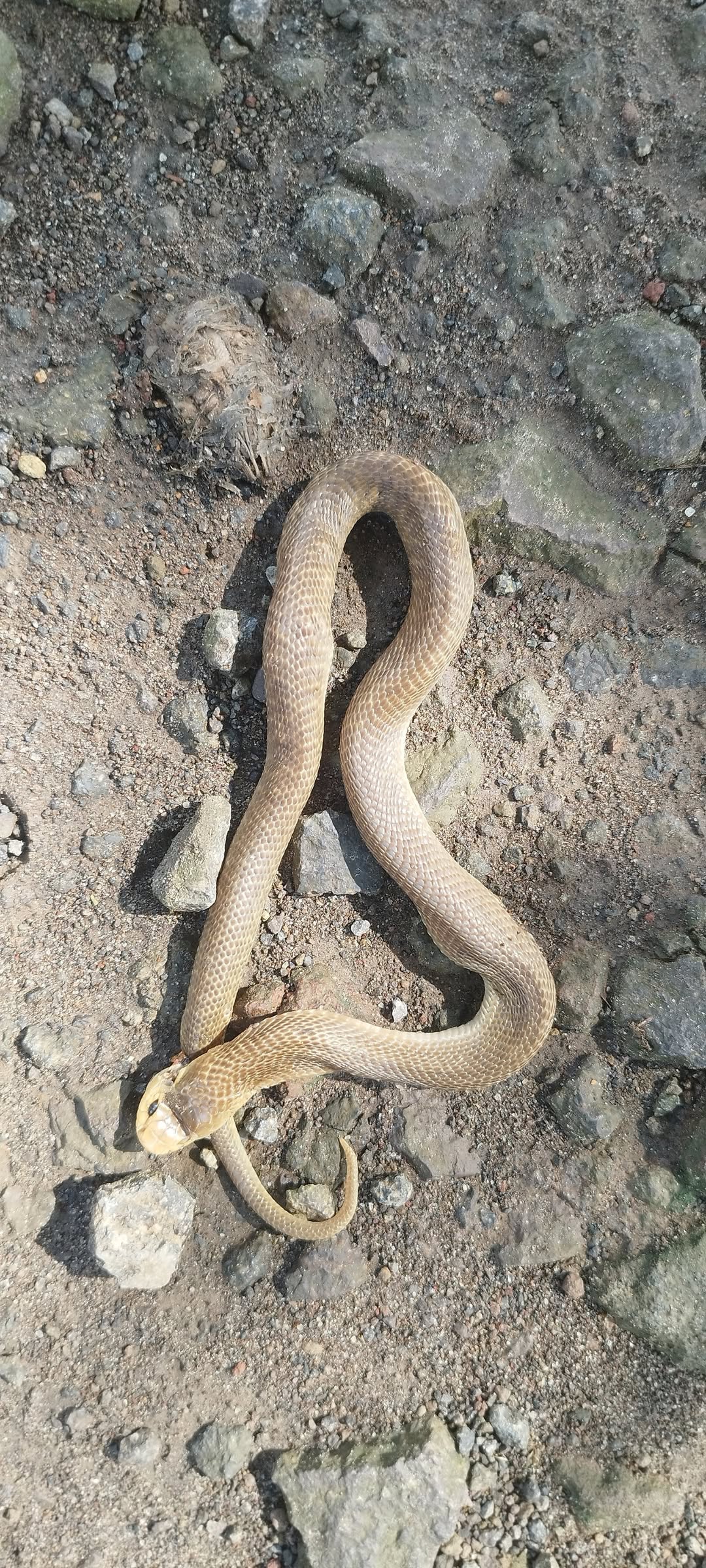
The endemic species people run into most
A handful of endemic species make up most of the sightings on record:
- Northern Philippine Cobra (Naja philippinensis), highly venomous,
3,180 sightings. Top provinces: Pangasinan (314), Nueva Ecija (277), Cavite (227).
- Luzon Brown Ratsnake (Coelognathus erythrurus manillensis),
non-venomous, 2,879 sightings. Top provinces: Metro Manila (360), Cavite (309), Rizal (270).
- Southern Philippine Cobra (Naja samarensis), highly venomous, 1,834
sightings. Top provinces: Samar (207), Davao del Sur (196), Leyte (195).
- Philippine Dwarf Snake (Calamaria gervaisii), non-venomous, 676
sightings. Top provinces: Metro Manila (144), Rizal (117), Cavite (69).
- Luzon King Cobra (Ophiophagus salvatana), highly venomous, 638
sightings. Top provinces: Benguet (107), Cavite (43), Pangasinan (40).
High sighting counts track two things at once: how common a snake actually is, and how many people live and photograph snakes near where it lives. Cavite and Metro Manila show up at the top of several of these lists simply because that is where a lot of Snakédex's contributors are.
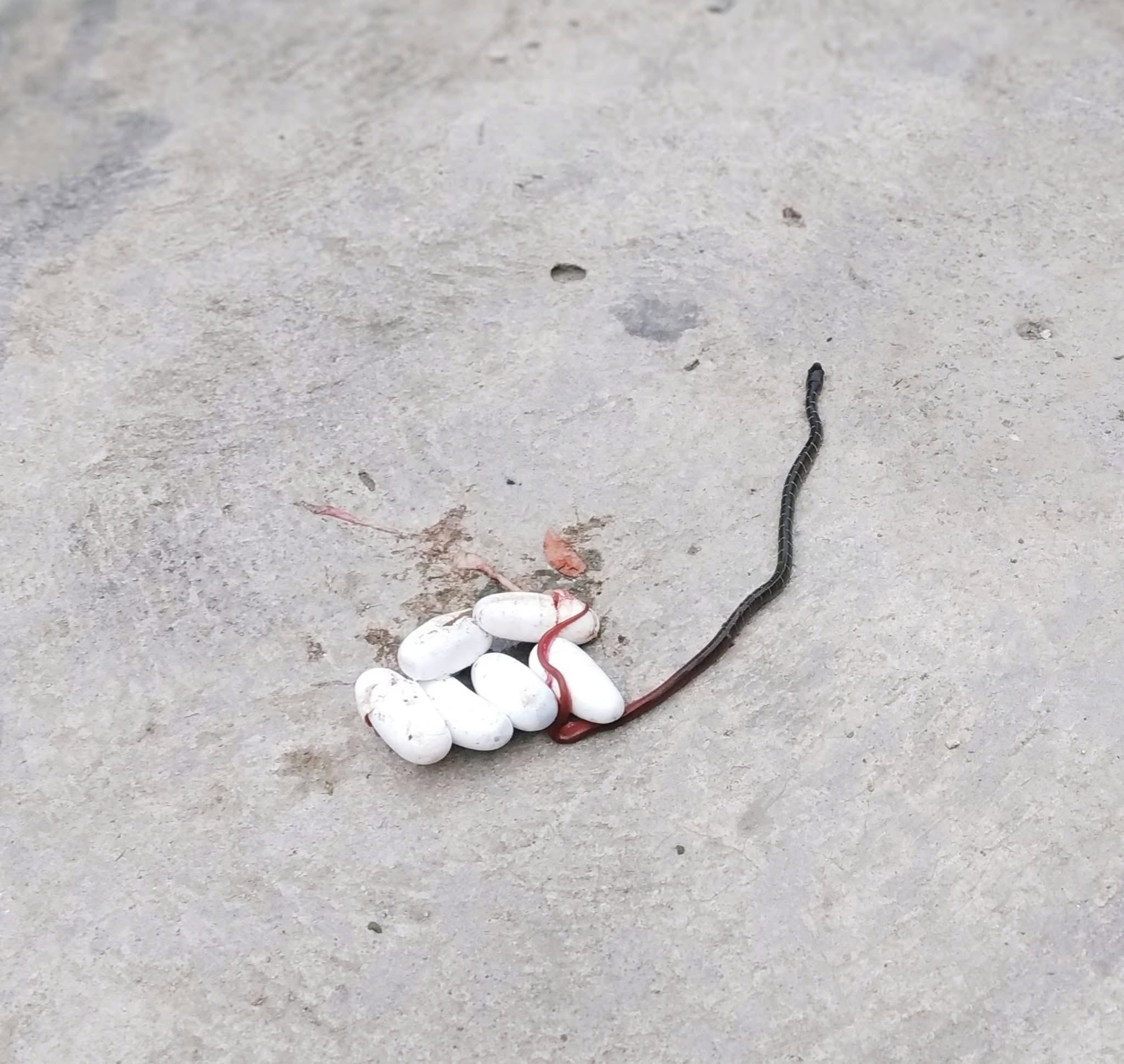
Endemic species that almost never turn up
At the other end of the record are species logged only a handful of times. The Batanes Pit Viper (Trimeresurus mcgregori) and the Philippine Coral Snake (Calliophis philippina) each have exactly one sighting, the pit viper in Batanes and the coral snake in Davao del Sur. McClung's Philippine Coral Snake (Hemibungarus mcclungi) has 8, mostly from Albay. The Philippine Ringneck (Hologerrhum philippinum) and the Philippine Kukri Snake (Oligodon modestus) each have 7.
A count that low does not mean the species is nearly extinct. It usually means a small, restricted range, secretive habits, or both, combined with fewer people around to photograph and report it. Batanes is a small, remote island group with a small population, which alone explains a lot of that single sighting.
Where the venom risk sits among endemic species
Most endemic species on the list are harmless to people: the ratsnakes, bronzebacks, shrub snakes, kukri snakes, the keelback, the wolf snake and the ringneck are all non-venomous. The Philippine Whip Snake and the Philippine Cat Snake are mildly venomous and not considered dangerous to people.
The ones that matter medically are the elapids and the pit vipers: both Philippine cobras, the Luzon King Cobra, the barred and false coral snakes, McClung's coral snake, the Philippine Coral Snake, the Philippine Pit Viper, and the Batanes Pit Viper. If a bite from any of these, or from any snake you cannot identify with certainty, is even suspected, that is a medical emergency and the response is to get to a hospital immediately. This post will not walk through symptoms or first aid, and no snake should be handled to check.
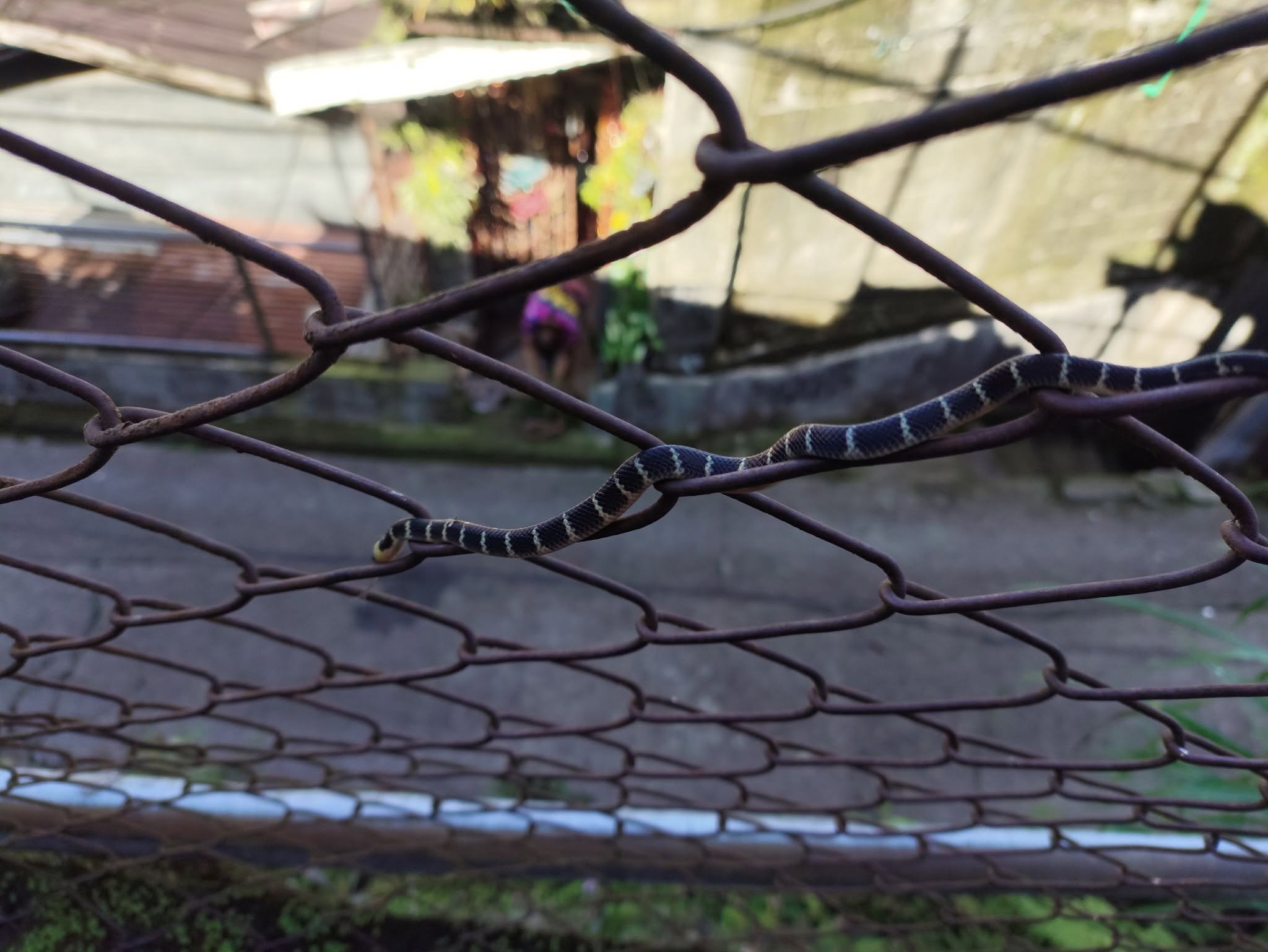
Where endemic snakes get reported across the country
Endemic species are not spread evenly. Some, like the two Philippine cobras and the Luzon Brown Ratsnake, show up in provinces across an entire island group. Others are essentially local specialties in this record: the Palawan Ratsnake (Coelognathus philippinus) has 42 sightings, and all 42 are from Palawan. The Philippine Grey-tailed Ratsnake leans heavily on Cebu, and the Philippine Shrub Snake's count is dominated by Benguet.
That pattern is part biology and part reporting. Palawan sits apart from the rest of the archipelago on its own shelf, so a snake that stays there stays there in the data too. But a province with more active contributors will always look busier on the map than a quiet province with the same number of snakes and fewer people looking. Read any single province's numbers with that in mind.
If you want to see how these species are distributed province by province, the Snakédex map lays out every recorded sighting. If you want to test whether you can tell a Luzon Brown Ratsnake from a cobra at a glance, try Who's That Snake?.