Snakes in Metro Manila: Every Species in the Sighting Record
Snakédex has logged 2,535 snake sightings in Metro Manila, with 1,309 verified to a species across 22 different kinds. The non-venomous Common Wolf Snake (Lycodon capucinus) tops the list with 535 sightings, followed by the endemic Luzon Brown Ratsnake (360) and Philippine Dwarf Snake (144). Of verified sightings, about 90% are non-venomous, roughly 6% highly venomous (mostly the Northern Philippine Cobra, Naja philippinensis, with 45 sightings), 4% mildly venomous, and a single record in the separate venomous class.
Metro Manila's snake sightings, by the numbers
Snakédex has 2,535 sightings logged in Metro Manila, out of 49,830 across the whole country, about one in twenty of everything in the database. Of those, 1,309 have been verified to a specific species, just over half the total, and between them they cover 22 different kinds of snake in the country's most built-up region.
That is a wider spread than you might expect from a place better known for traffic and high-rises than wildlife. Manila still has creeks, esteros, vacant lots, old cemeteries, and subdivision perimeters where snakes hold on even as the concrete closes in around them.
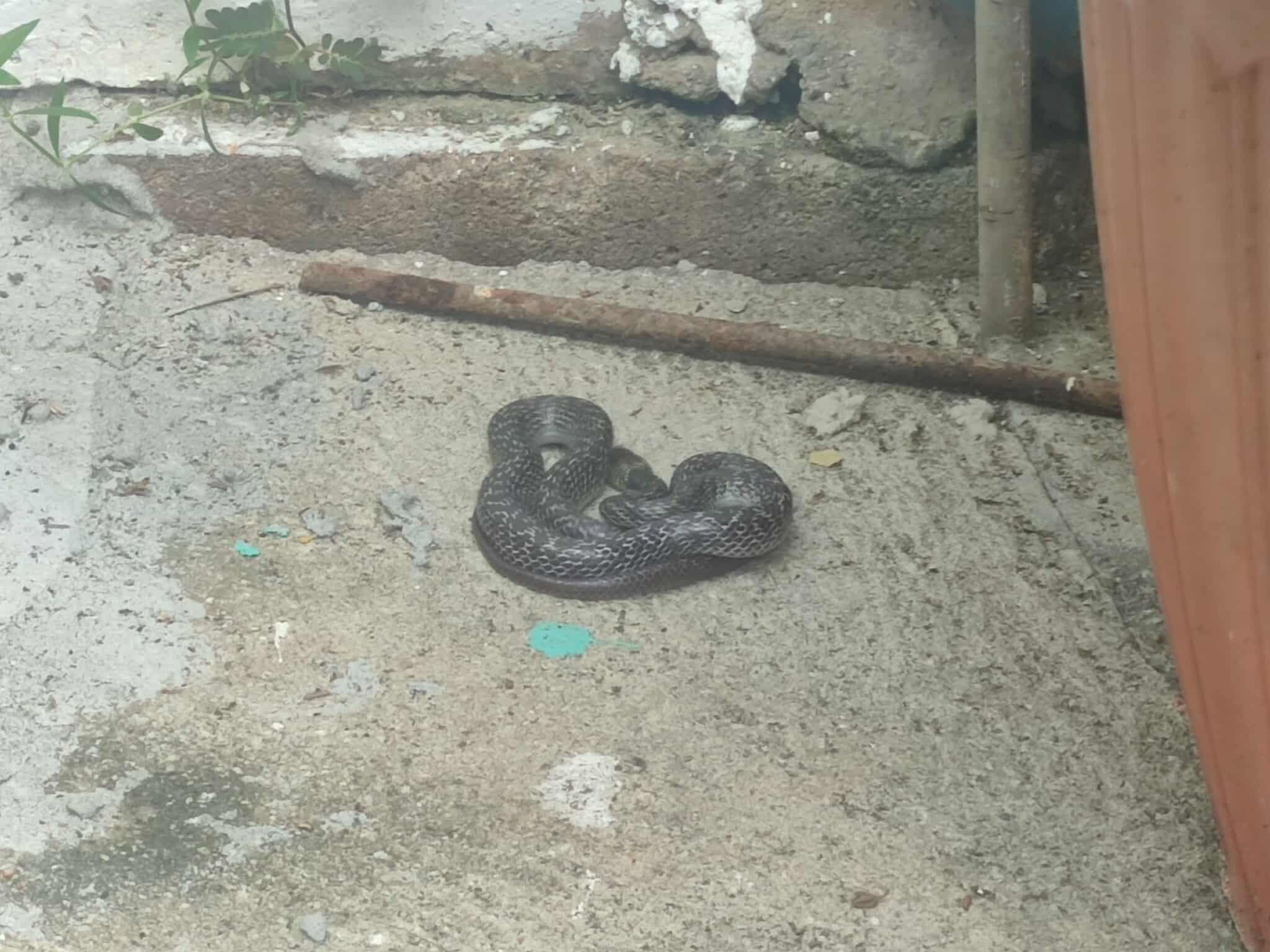
The Common Wolf Snake and three others make up most of the record
One species accounts for a large share of everything logged here: the Common Wolf Snake, Lycodon capucinus, with 535 verified sightings. It is non-venomous, small, and does well in gardens, wall gaps, and debris piles, which is exactly the kind of ground a dense city still has plenty of.
Behind it comes the Luzon Brown Ratsnake, Coelognathus erythrurus manillensis, endemic to the Philippines, with 360 sightings, then the Philippine Dwarf Snake, Calamaria gervaisii, also endemic, with 144, and the Reticulated Python, Malayopython reticulatus, with 84. Together those four species make up about 86% of every verified sighting in the metro. The other 18 species on the list share what's left, several with fewer than ten sightings apiece.
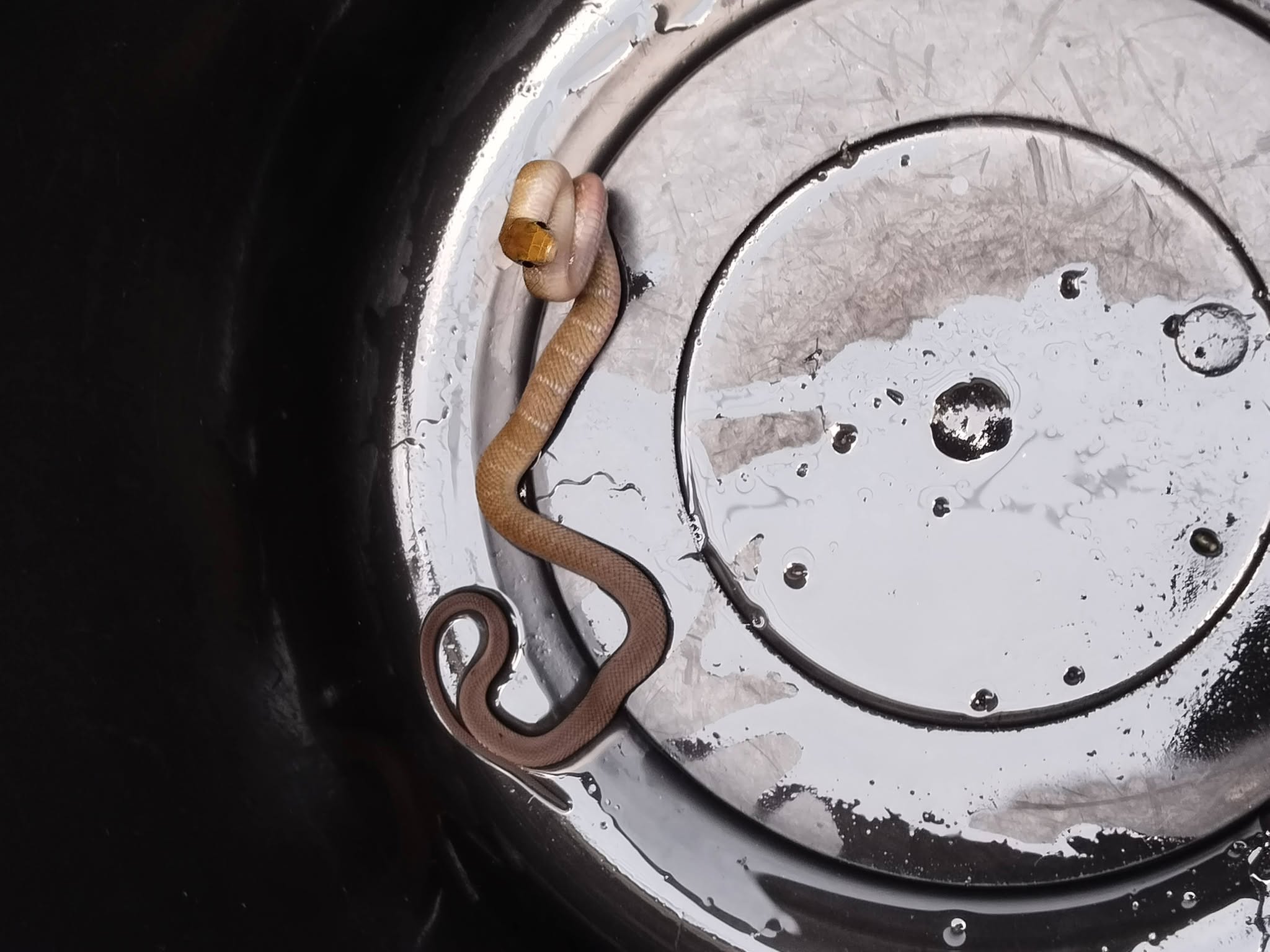
The highly venomous cobras seen in the metro
Metro Manila has 73 verified sightings classed highly venomous, and every one of them comes from a cobra. The Northern Philippine Cobra, Naja philippinensis, endemic and found mainly across Luzon, leads with 45 sightings. The Luzon King Cobra, Ophiophagus salvatana, also endemic, follows with 19, and the Southern Philippine Cobra, Naja samarensis, adds 9 more, a species whose usual range is the Visayas and Mindanao rather than Luzon.
All three belong to family Elapidae, front-fanged snakes whose venom acts on the nervous system. A cobra that feels cornered will usually raise its foreparts and spread a hood as a warning before doing anything else. A suspected bite from any of these species, or from any snake at all, is a medical emergency. Get to a hospital immediately. Do not attempt first aid, and do not try to catch or handle the snake to identify it.
Mildly venomous species, and the rarer classes
The mildly venomous group totals 54 sightings, most of it one species: the Paradise Tree Snake, Chrysopelea paradisi, with 49. It's a rear-fanged glider that can flatten its body to move between branches, and its venom is not considered a medical threat to people. A few more sightings come from the Dog-faced Water Snake, Cerberus schneiderii, with 3.
One further sighting sits in a class Snakédex tracks separately from "highly venomous," simply labeled venomous, a category that elsewhere in the country covers snakes like coral snakes and sea kraits. Metro Manila has only one record in it so far, too few to say anything about which species turns up there most.
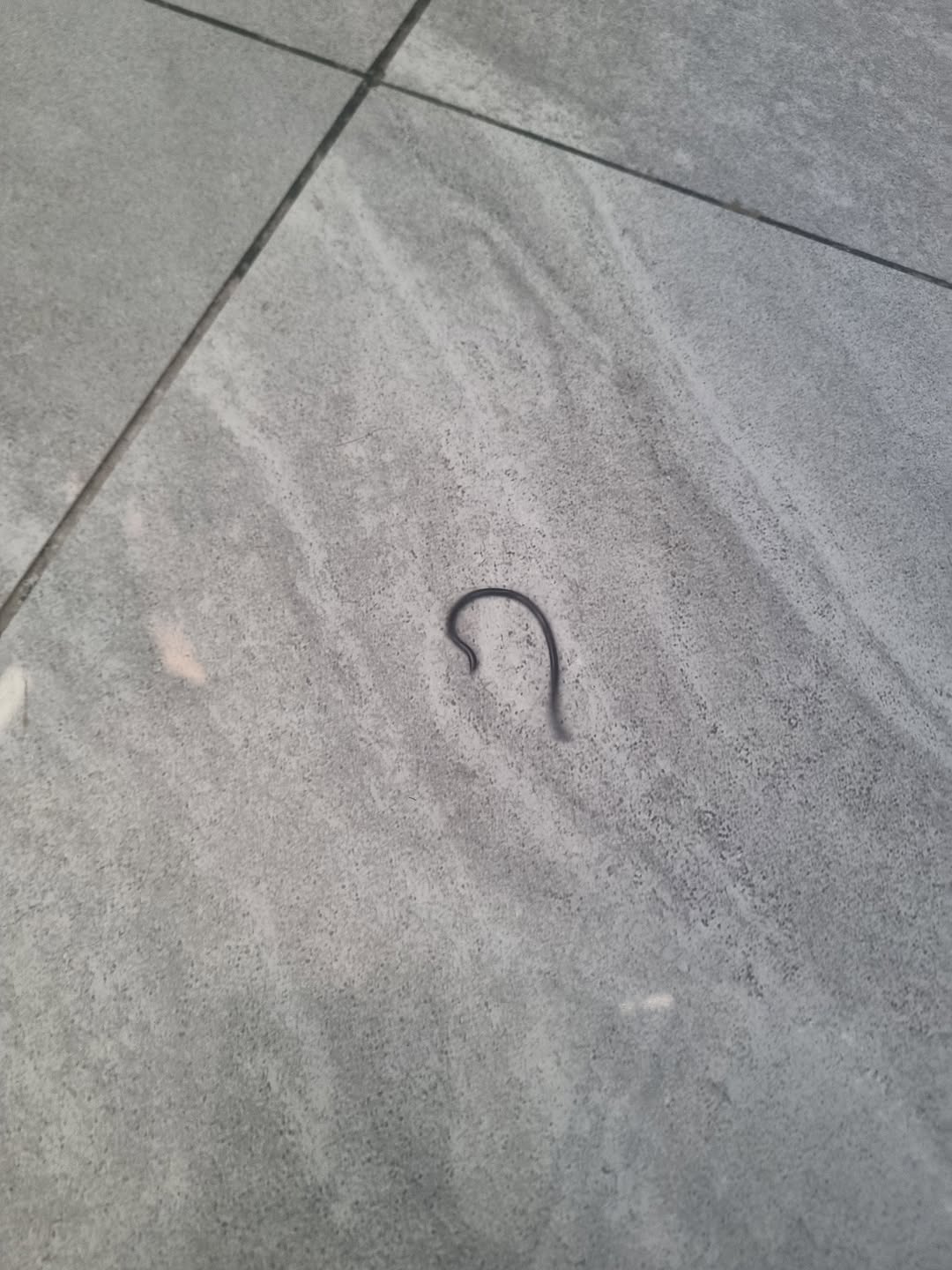
The smaller species that still show up
Not every snake in this list is common or easy to find. The Brahminy Blind Snake, Indotyphlops braminus, has 29 sightings despite being thread-thin, fossorial, and easy to mistake for an earthworm at a glance. It spends most of its life underground and surfaces mainly after rain, which is usually when someone notices one on a tiled path or driveway. Several other species on the record, from the Lined Triangle-spotted Snake (Cyclocorus lineatus) to Maren's Bronzeback (Dendrelaphis marenae), sit at four sightings or fewer, not because they're absent from the metro but because they're harder to spot, photograph, or get a clean shot of before they move on.
What a high count in a crowded city actually means
Read this list as a record of what got photographed and identified, not a survey of what actually lives in Metro Manila. The Common Wolf Snake's lead says it turns up in the places people already look: yards, garages, and wall gaps in a region packed with exactly those. A rarer species on this list isn't necessarily a rarer snake, it may just be one that stays out of sight better, lives somewhere fewer people walk, or gets misidentified and never confirmed.
The gap between 2,535 total submissions and 1,309 verified sightings matters too. Photos that are blurry, taken from too far away, or of a snake that moved before a clear shot could be taken often never get identified to species. The 22-species breakdown above only covers the confirmed half.
If you find a snake in Metro Manila
Most of what turns up here, wolf snakes, ratsnakes, and dwarf snakes among them, is harmless and has no interest in a person nearby. The right response is the same whether the snake is venomous or not: leave it alone and move away rather than trying to catch, corner, or kill it.
To browse the sightings behind these numbers, including exact locations reported across the metro, visit the Snakédex map. To practice telling Metro Manila's most commonly confused species apart before you run into one, try Who's That Snake?.