Luzon Brown Ratsnake (Coelognathus erythrurus manillensis): ID Guide
The Luzon Brown Ratsnake (Coelognathus erythrurus manillensis) is a non-venomous colubrid endemic to the Philippines, with 2,879 verified sightings recorded on Snakedex across 35 provinces. It is a Luzon lowland species, not a Visayas or Mindanao one: the most reports come from Metro Manila (360), Cavite (309), Rizal (270), Bulacan (252) and Laguna (218). A subspecies of the Philippine brown ratsnake, it poses no venom risk to people but will bite defensively if handled.
A common Luzon snake most people can't name
Of the roughly 49,830 verified snake sightings in the Snakedex dataset, 2,879 belong to the Luzon Brown Ratsnake, Coelognathus erythrurus manillensis. That makes it one of the more frequently photographed snakes on the island it's named for, yet it rarely gets mentioned outside herpetology circles. Most people who run into one in a yard or a rice paddy call it "brown snake" and move on, unsure whether to worry.
They don't need to. This is a non-venomous colubrid, a subspecies of the wider Philippine brown ratsnake group, and it is endemic: found only in the Philippines and nowhere else on earth.
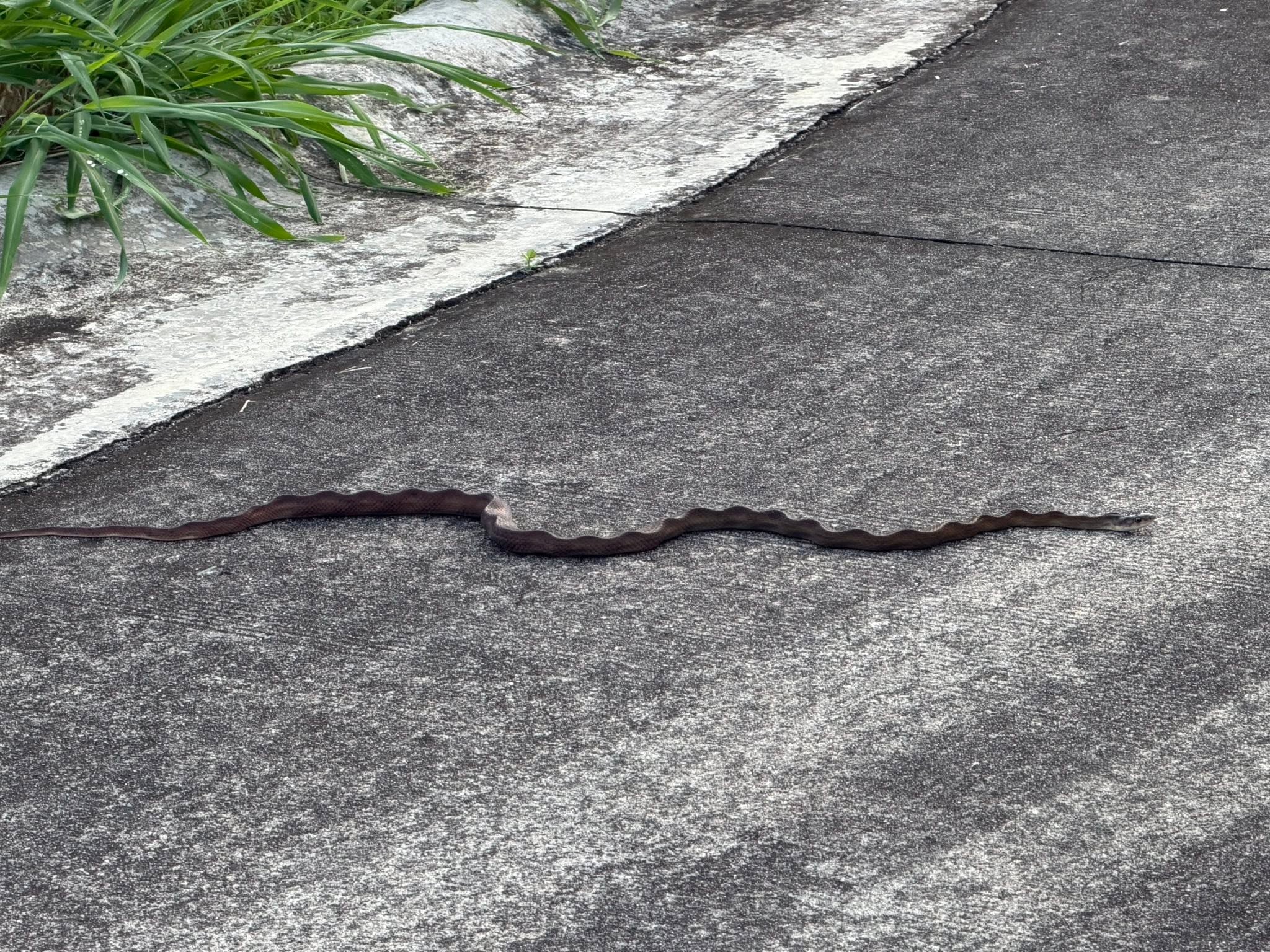
How to recognise one
The Luzon Brown Ratsnake is built like most ratsnakes: long, slim-bodied, and fast when it wants to be. Coloring runs through shades of tan, olive, and reddish brown, usually with a faint darker stripe or line of blotches running down the back that can be easy to miss at a glance. The head is narrow and only slightly distinct from the neck, with large, calm-looking eyes and smooth, glossy scales that catch the light.
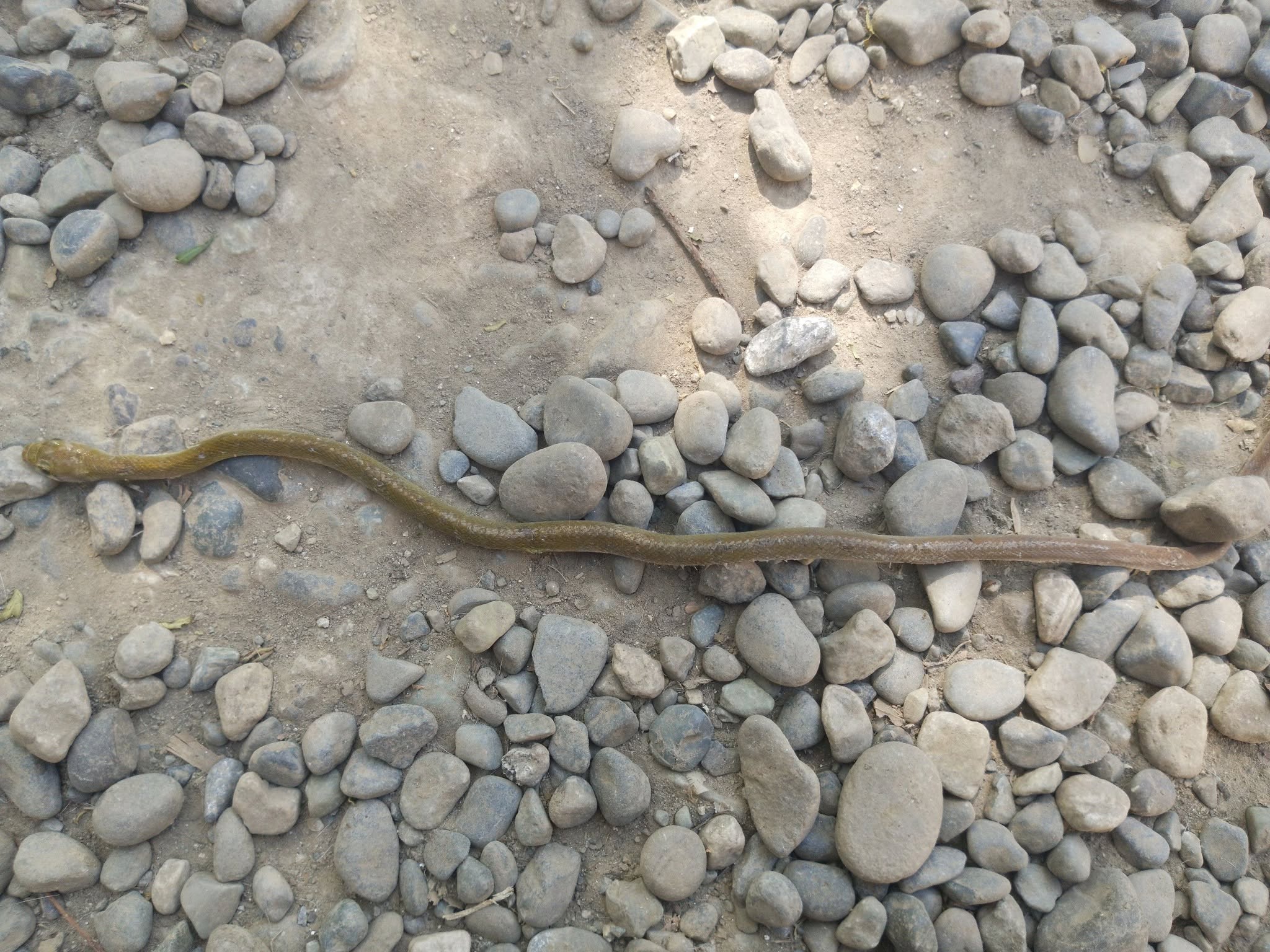
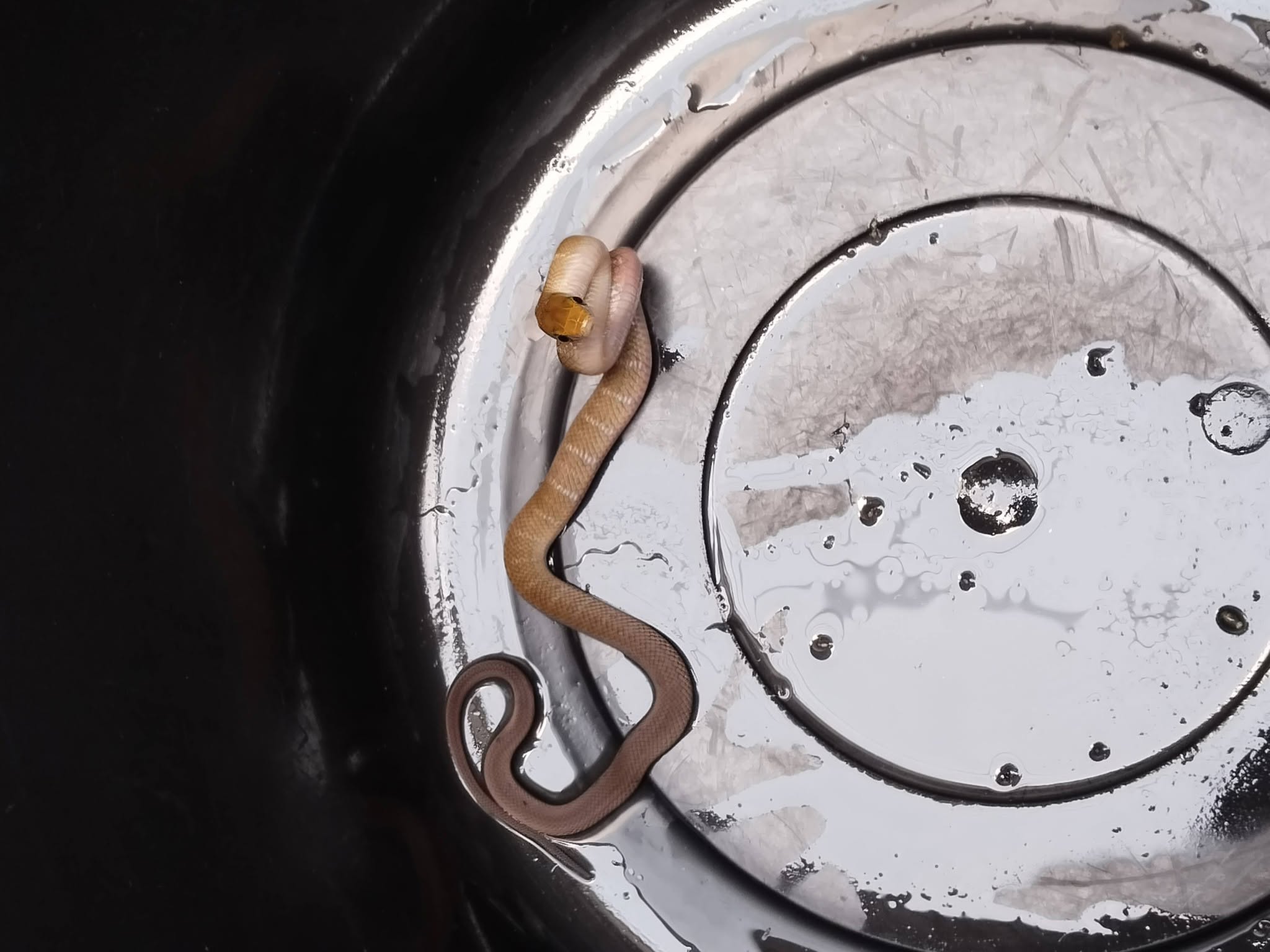
Juveniles tend to run paler and more washed-out than adults, which can make a young snake look almost tan or cream rather than brown. There is no hood, no flattening of the neck, and no upright striking posture: if a snake in front of you does any of that, it isn't this species.
Where it has been recorded
Snakedex has confirmed reports of this snake in 35 provinces, but the numbers make clear where it is seen most. The top provinces by sighting count are:
- Metro Manila: 360
- Cavite: 309
- Rizal: 270
- Bulacan: 252
- Laguna: 218
- Nueva Ecija: 207
- Batangas: 185
- Pampanga: 154
Every one of those is on or around Luzon, which lines up with a species that only exists on that island group and the smaller islands near it. It is worth being clear about what these numbers actually measure. Snakedex is built from photos that people submit and other members verify, not from a scientific population survey. Metro Manila topping the list doesn't mean the snake is thickest on the ground there; it means Metro Manila has more people carrying phones and more reason to photograph a snake in a subdivision than, say, a remote hillside in the Cordillera. Rural provinces with plenty of ratsnakes may simply have fewer people reporting them.
Habits and habitat
Ratsnakes in this genus are active by day and comfortable both on the ground and up in low branches or rafters, which is part of why they end up in barns, sheds, and the eaves of houses as often as in open grassland or farmland. They hunt rodents, birds, and eggs, which is useful to people living near rice fields and granaries even if the snake itself gets an unfriendly reception when it's spotted.
Like most ratsnakes, this one would rather flee than fight. Cornered or grabbed, it may strike, hiss loudly, and vibrate its tail against dry leaves in a rough imitation of a rattle, a bluff that has convinced more than one person they'd found something venomous. It hasn't, and it can't back that bluff up with anything worse than a scratchy, non-venomous bite.
What to do if you find one
Leave it alone and move away. That's the only handling advice worth giving for any snake, venomous or not, and it applies here even though this species carries no venom. A cornered ratsnake that feels it has no way out is more likely to strike out of panic than one that's given space and time to leave on its own.
If you want to get a sense of what else shares the neighborhood, the Snakédex map shows verified sightings across the country, and the identification game is a low-stakes way to practice telling a ratsnake's blotched, slender build apart from the thicker patterning of a cobra or pit viper before you ever need to make that call in a yard at night.